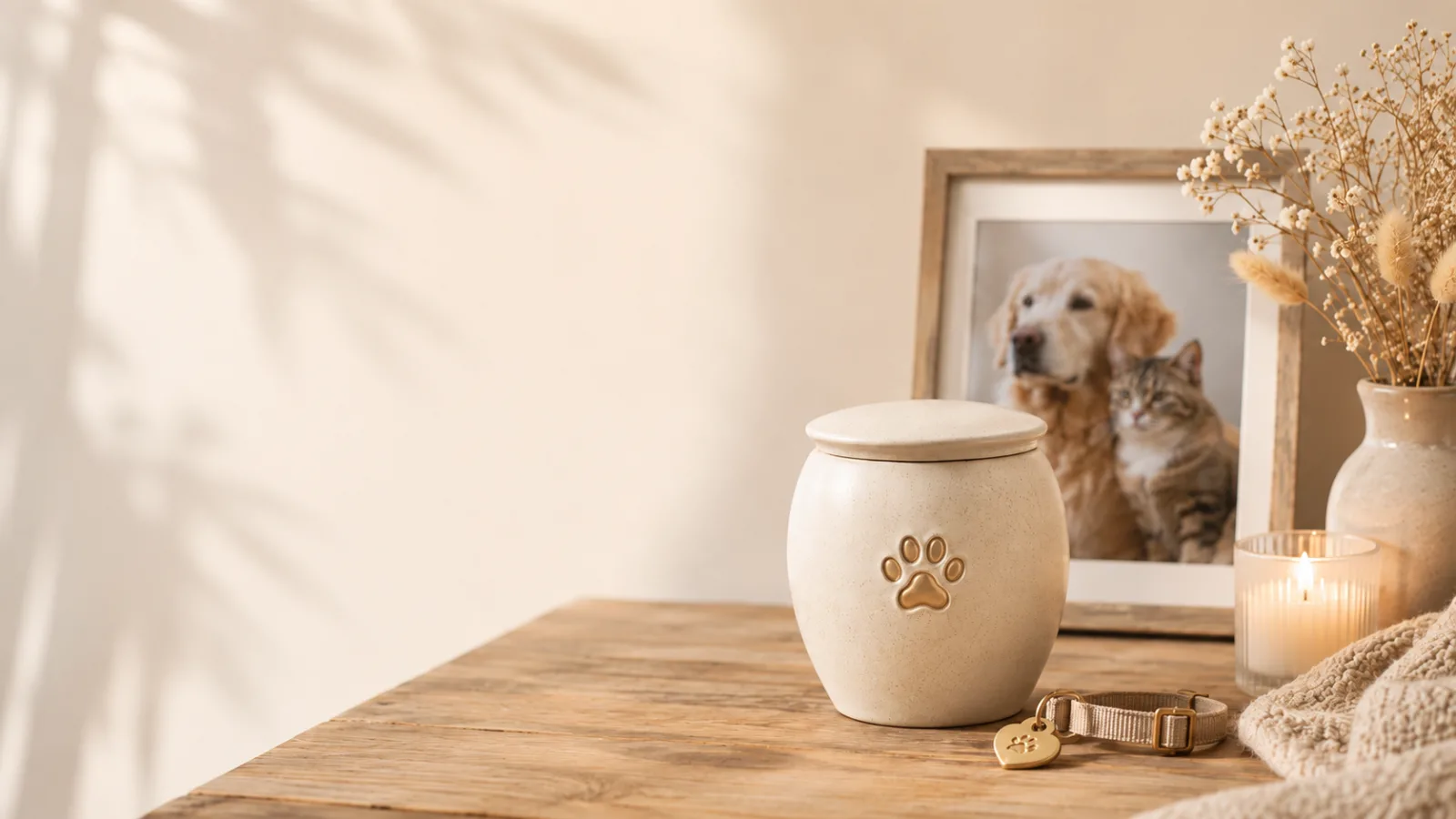
The Deep Bond Between Seniors and Their Pets
For many seniors, a pet is much more than a companion; they are a central part of daily life. A pet provides steady company, a reason to get up in the morning, and a grounding connection to the world. When that presence is gone, it is natural for the house to feel far too quiet and for the day to feel empty.
Understanding the Grief Process
Grief is a personal experience, and there is no right way to go through it. You might feel a mix of sadness, frustration, or even guilt. Whatever you are feeling, try to be patient with yourself and accept that this is a significant loss that deserves time.
Common Challenges for Seniors
- Increased Loneliness: When a pet has been your primary companion, the sudden silence in your home can feel heavy and overwhelming.
- Disruption of Routine: Your day was likely structured around feeding, walking, or caring for your pet. Without these tasks, the rhythm of your day can feel lost or disorienting.
- Loss of Purpose: Looking after an animal provides a clear sense of responsibility. Without that role, it is common to feel a bit unmoored or unsure of how to fill your time.
- Social Isolation: Pets often act as a bridge to the outside world, sparking conversations with neighbors or other pet owners. Without your companion, those small, daily social interactions may fade.
Strategies for Coping and Finding Comfort
Allow Yourself to Grieve
Your bond was real and important. Do not feel like you need to hide your sadness. If you need to cry, talk about your pet, or simply sit with your memories, give yourself permission to do so.
Maintain Routine (With Adjustments)
Even though your pet's needs no longer dictate your schedule, try to keep some structure. Eat your meals at regular times, keep up with hobbies, or call a friend at a set time each day. If you enjoyed walking your pet, try to keep taking those walks on your own—the fresh air and movement can help.
Seek Social Connection
It is easy to withdraw when you are hurting, but connecting with others helps. Reach out to family or friends, or look into local senior centers and clubs. Even a brief chat with a neighbor can help you feel less cut off from the world.
Cherish Memories
Finding a way to honor your pet can be a gentle part of healing. You might put together a photo album, keep their collar in a special box, or write down your favorite stories about them. Visiting a park you used to walk in together can also be a way to stay connected to their memory.
Consider a New Companion (When Ready)
There is no timeline for this. When you feel the time is right, a new pet might bring joy back into your home. If you do decide to bring a new animal into your life, consider an older pet or one with a calmer personality, as they often fit into a quieter household quite well.
Professional Support
If you find that your grief is becoming too heavy to carry or it’s affecting your health, reach out for help. A therapist who specializes in grief or senior care can offer a private, safe space to talk through what you are experiencing.
Losing a pet is a deeply personal change. By taking things one day at a time and being kind to yourself, you can start to find your balance again. If you are looking for a way to honor your companion, PawMemora offers simple, meaningful memorial options to help you keep their memory close.