The Enduring Bond: Why Pet Grief Lasts
Losing a pet is a profound experience, often identical to losing a family member. The grief that follows can be heavy and, for many people, lasts much longer than society expects. If you find yourself still deeply saddened months or even years after your pet has passed, please know this is entirely normal. There is no standard timeline for grief, and the love you shared with your companion deserves the time it takes to process.
Factors That Influence How We Grieve
Several things can affect how long your grief stays with you:
- The Depth of Your Bond: A deeply cherished connection naturally leads to a longer period of missing them. Your pet was likely a constant presence, a source of comfort, and a steady anchor in your daily life.
- The Circumstances of Loss: A sudden or traumatic loss can make the grieving process feel more jagged. If you spent a long time caring for a sick pet, the emotional exhaustion can also take a long time to heal.
- Your Personal History: How you have handled loss in the past, the support you have around you, and your own temperament all play a role in how you process this change.
- Life Transitions: If your pet passed away during a time of other major life changes or stressors, your grief may feel more complex and harder to untangle.
Living with Long-Term Grief
Feeling grief over a long period doesn't mean something is wrong with you. It means you loved them deeply. Here are a few ways to treat yourself with grace as you carry this loss:
Acknowledge Your Feelings
Give yourself permission to feel whatever comes up—sadness, anger, guilt, or simple loneliness. Try not to judge these feelings or force yourself to 'get over it.' Your emotions are a direct reflection of your love.
Maintain Small Routines
It is natural for your habits to feel broken, but try to keep up with basic needs like regular sleep, simple meals, and gentle movement. A bit of structure can provide a small sense of stability when everything else feels off.
Seek Real Connection
Talk to friends, family, or other pet owners who actually understand the depth of what you are going through. Sharing stories and memories can be a relief when you have been holding them inside.
Honor Their Memory
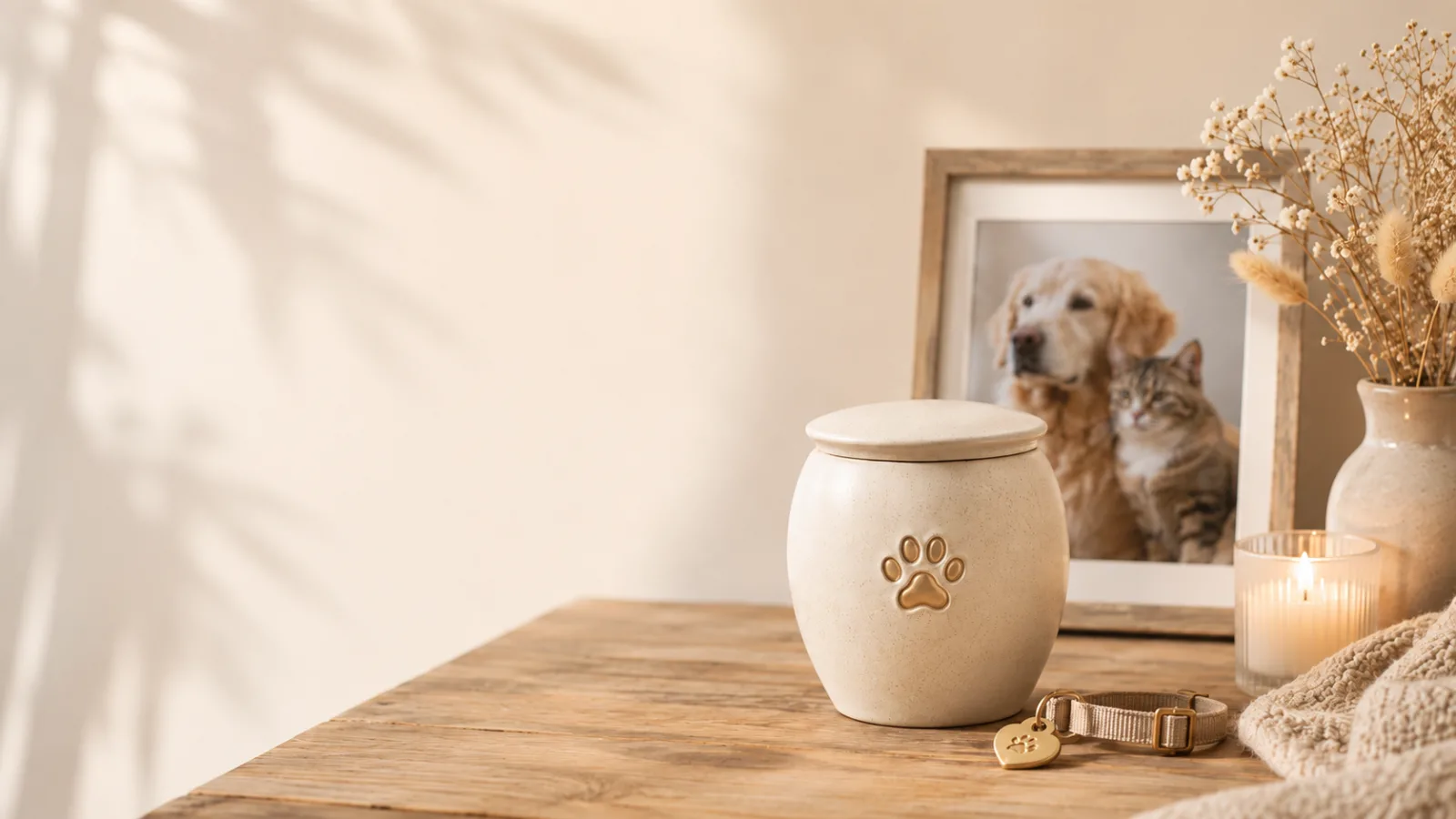
Continue to remember your pet in ways that feel right to you. This might mean looking at photos, talking about them, or keeping a small tribute in your home.
Consider Professional Support
If your grief feels overwhelming or makes it difficult to manage your daily life, consider speaking with a counselor who specializes in pet loss. They can provide a safe, neutral space to talk through your emotions.
Your Grief is Valid
The duration of your grief is not a measurement of your weakness; it is a testament to the life you shared. Be patient with your process. Your bond was unique, and it deserves the time it takes to heal.
At PawMemora, we know that love for a pet does not simply disappear. We invite you to explore our resources to find gentle ways to honor the connection you will always have with them.