The Weight of Guilt After Pet Loss
Losing a pet is a profound experience, often followed by a messy mix of emotions. Among the hardest to carry is guilt. You might find yourself replaying the final days, questioning your choices, or wondering if you could have done more. This is a common, though heavy, part of saying goodbye.
Where the Guilt Comes From
Guilt is often just love turned inward. Because you cared so deeply, your mind tries to find a reason for the loss, sometimes settling on self-blame as a way to make sense of the pain.
The "What Ifs" and "Should Haves"
- "What if I had gone to the vet sooner?" This question can linger, especially if your pet's illness was sudden or moved faster than you expected.
- "Should I have noticed the signs earlier?" It is easy to look back at small changes in behavior and feel like you missed something obvious.
- "What if I hadn't made that specific choice?" We often fixate on treatment decisions, changes in diet, or even daily routines that feel significant in hindsight.
- "Was I a good enough owner?" Comparing your day-to-day care to an impossible standard can make you feel like you fell short.
Decisions Made with Love
Guilt often follows the hardest choices, particularly euthanasia. Deciding when to let go is perhaps the most difficult act of love a pet owner can perform. Even when you know you made the right choice to prevent suffering, you may still find yourself wondering if it was too soon or too late.
The Lack of Outside Understanding
Because some people don't fully grasp the depth of the bond between a person and their pet, you might feel like you have to hide your grief. When you don't feel heard, it is easy to start internalizing that pain and turning it into self-criticism.
Finding Ways to Let Go
Moving through these feelings takes patience and a little bit of grace toward yourself. Here are a few ways to start.
Name Your Feelings
Start by acknowledging that the guilt is there, but remind yourself that it is a symptom of your grief, not a statement of your character. It is a testament to how much you loved them.
Treat Yourself Like a Friend
If a friend came to you with these same worries, you would likely tell them they did their best. Try to offer yourself that same perspective. You made decisions based on the information you had at the time, fueled by a desire to do right by your pet.
Focus on What Was
When the "what ifs" start to loop, try to pivot to "what was." Think of the specific moments of joy, the quiet habits you shared, and the comfort you provided each other. Your pet knew they were loved.
Talk It Out
Speaking with someone who understands—whether it is a friend, a family member, or a support group—can break the cycle of rumination. Often, just hearing someone else say they felt the same way can take the edge off your own guilt.
Write It Down
Putting your thoughts on paper can help you move them out of your head. Writing a letter to your pet, or simply listing the things you feel guilty about, can sometimes help you see how unfair you are being to yourself.
Create a Memorial
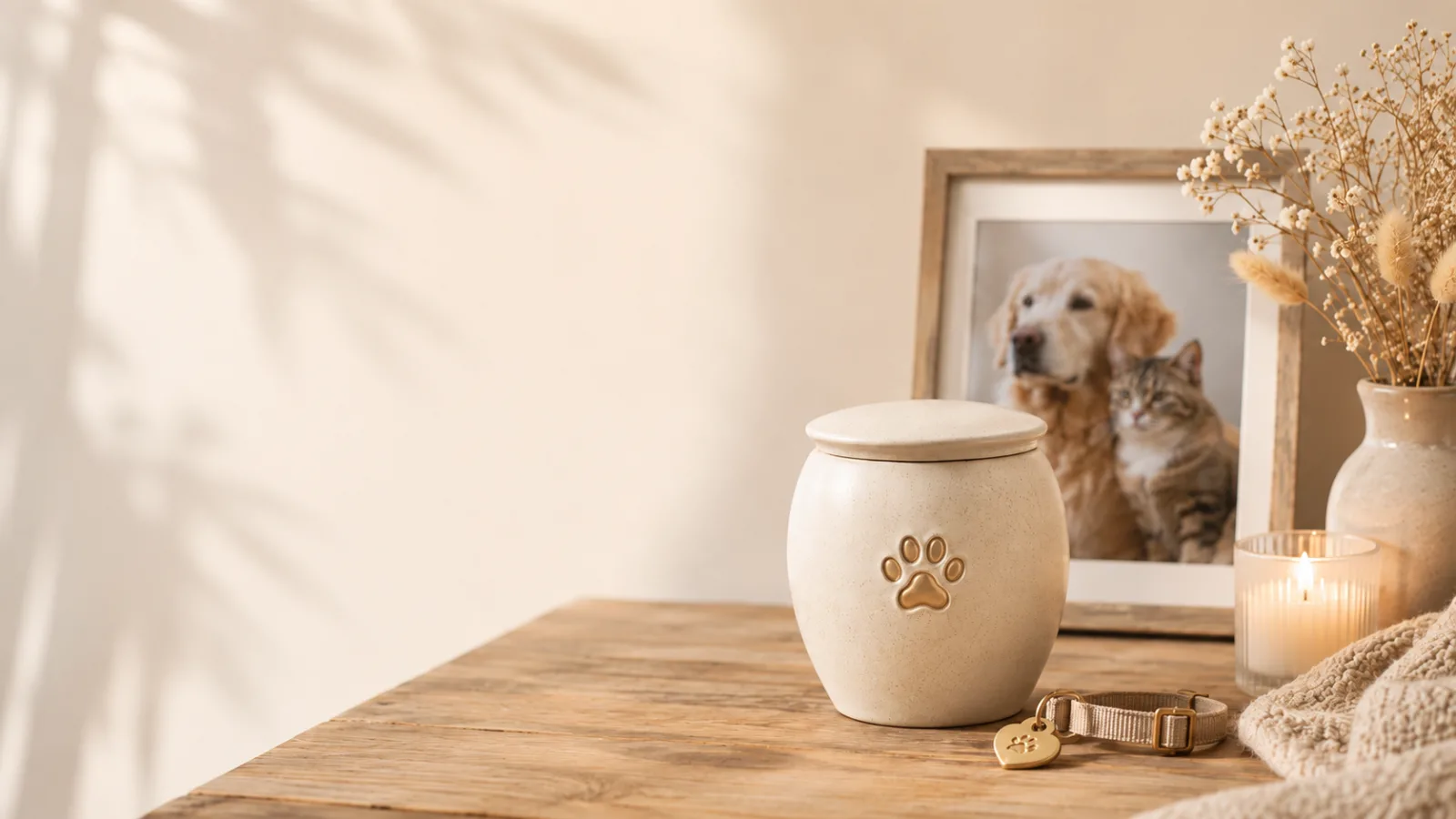
Honoring your pet can be a gentle way to shift your focus from their passing to their life. Whether you create a physical space in your home, keep a small keepsake, or build a tribute on PawMemora, these acts help you celebrate the time you had together.
Your grief is a reflection of the love you shared. Be kind to yourself as you work through this. If the guilt feels too heavy or starts to impact your daily life, talking to a counselor who understands pet loss can provide a safe place to land.
At PawMemora, we know how deeply a pet is missed. Our platform is here to provide a quiet, supportive space to honor their life and share the memories that matter most.